
Setting up a business in Dubai has become an increasingly attractive proposition for entrepreneurs around the world. One of the most popular routes is via a Dubai Free Zone Company Setup, which offers compelling incentives such as full foreign ownership, tax advantages, and streamlined administrative processes. However, the process is not without complexity. To ensure your launch is smooth and legally compliant, careful planning is absolutely essential.
In this article, we explore the top 10 things to consider when forming a company in Dubai—ranked by their importance. We’ll also cover supporting considerations (such as visa issues, tax planning, and regulatory compliance) and conclude with a helpful FAQs section. By the end, you will have a clearer roadmap and be better positioned to launch your operations in Dubai with confidence.
Need a hand right now?
Contact us now for more information on UAE Visa application, or book a consultation to get started with any Company Formation Dubai questions.
Top 10 Considerations – Dubai Free Zone Company Setup and Company Formation Dubai
Below are the ten most critical factors to assess and decide on when embarking on your Dubai Free Zone Company Setup.
Plan for contingencies (regulatory changes, market shifts) from the start.
1. Choice of Free Zone vs Mainland
Before you commit, decide whether a Free Zone or a Mainland setup is more appropriate.
- A Free Zone allows 100% foreign ownership, simpler regulatory requirements, and restricted trade into the UAE mainland unless through a local distributor.
- A Mainland company (under the Department of Economic Development) offers unrestricted trade across the UAE but typically requires a local service agent or local partner, and additional compliance.
- Choose based on your target markets (within UAE or global), nature of trade, cost structure, and growth strategy.
2. Selecting the Right Free Zone
Not all free zones are created equal.
- Each free zone specialises in certain sectors (tech, media, logistics, commodities) and offers different licensing structures, incentives and facilities.
- Consider infrastructure, proximity to ports/airports, cost of office / warehouse space, and regulatory support.
- Some free zones require higher minimum capital or stricter compliance (for example, DMCC has certain share capital norms).
3. Defining Business Activity (or Activities)
Your permitted business activities have direct bearing on licensing, approvals, and permissible scope of operations.
- Free zones maintain an approved list of permissible trade, service or industrial activities. Ensure your intended activities are allowed under your chosen zone.
- If your business spans multiple activities, verify that multi-activity licensing or add-ons are available.
- Some regulated sectors require additional approvals (healthcare, education, finance) from federal or Emirate authorities.
4. Name Reservation, Legal Structure & Ownership
- You must reserve a trade name in line with UAE naming conventions (avoid offensive or religious terms, include “LLC”, “FZE”, etc.).
- Determine your legal structure: Free Zone Company (FZCo), Free Zone Establishment (FZE), branch of a foreign company, or subsidiary. Each has distinct rights and requirements.
- Confirm ownership shares among founders, share capital, and director structure.
- Ensure you satisfy any minimum capital requirements in your chosen zone.
5. Cost Structure & Budgeting (Setup + Ongoing)
You must plan not just for the initial cost but for ongoing renewals, visa charges, office rent and compliance expenses.
- Typical Company Formation in Dubai Free Zone costs may range between AED 12,500 and AED 25,000 (or more depending on free zone and package)
- Additional costs include office lease or virtual office, PRO fees, visa processing, auditing, and any external approvals.
- Be wary of hidden renewal costs or escalation in license fees over time.
6. Office or Physical / Virtual Premises Requirements
Many free zones require a physical or virtual presence (desk, office, warehouse) to satisfy licensing rules.
- Some zones permit flexi-desks or serviced offices for new small businesses; others demand full physical space.
- Verify that the office/lease agreement is acceptable to the free zone authority (documented in lease contract).
- Ensure your space meets requirements for inspections or inspections from regulators if relevant.
7. UAE Visa & Immigration Strategy (UAE Visa)
- Obtaining an UAE Visa for owners, employees or dependents often depends on your company’s structure, office size, and licensing package.
- You cannot get a company-sponsored residency visa until the company is formally established with a valid license.
- Consider how many visas you will need (for employees, family) and their costs, quotas, and renewal cycles.
- Understand requirements such as medical tests, Emirates ID, and visa quotas.
8. Corporate Banking & Financial Infrastructure
- Opening a corporate bank account in the UAE is essential and sometimes challenging; banks require due diligence, proof of business, and often physical presence or meetings.
- Choose a bank with experience handling international clients and ease of cross-border transactions.
- Ensure robust accounting, audit and bookkeeping systems, as free zones often require annual audits and compliance reporting.
9. Tax, Regulatory & Compliance Considerations
- While free zones often offer tax holidays or exemptions, you must still comply with UAE’s corporate laws and any sectoral regulation.
- Understand the implications of “central management and control” — if you continue to control the company from the UK (or another jurisdiction), you might trigger UK tax rules on foreign income.
- Be aware of VAT registration thresholds, economic substance requirements, transfer pricing rules, and any double taxation treaties.
- Stay abreast of changes in UAE corporate or economic legislation.
10. Exit Strategy, Flexibility & Future Growth
- Plan how you might scale, pivot, or exit in the future (e.g. sell, merge, spin off).
- Ensure that your structure allows flexibility to add shareholders or change location.
- Check whether license portability or transfer between free zones is possible.
- Plan for contingencies (regulatory changes, market shifts) from the start.
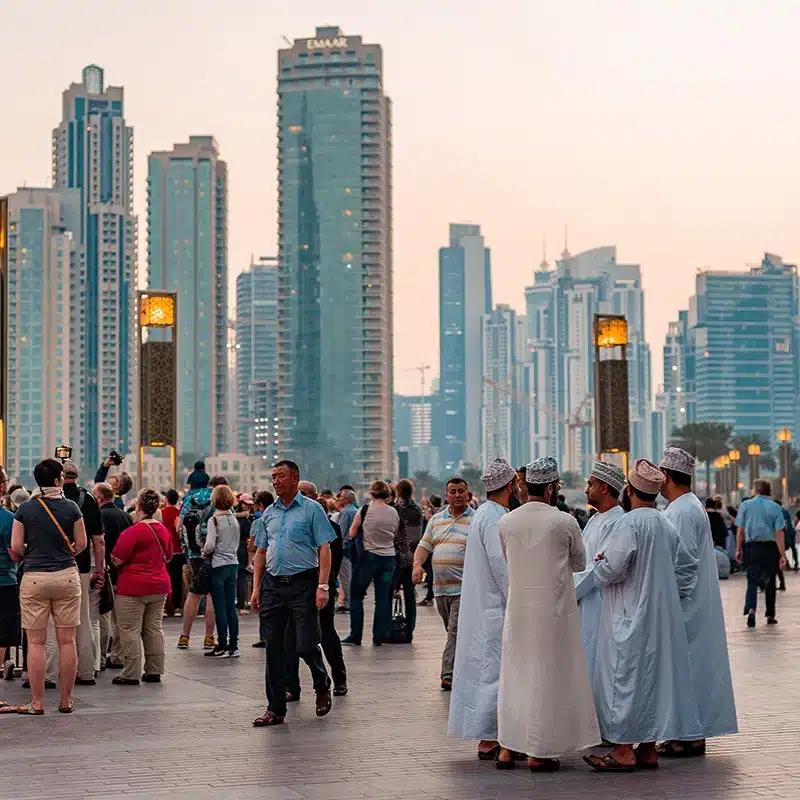
“Expert legal services for Dubai Free Zone Company Setup and Company Formation Dubai. ”
Timeline Expectations & Practical Steps
Typically, once your documents are in order and the free zone authority approves your application, licensing can take 1-3 weeks (or longer for more complex or regulated businesses).
Key steps include:
- Reserve trade name → 2. Submit documents and approvals → 3. License issuance → 4. Office lease & visa applications → 5. Bank account setup → 6. Commence operations
Risk Mitigation & Due Diligence
- Engage a qualified local law team or business formation advisor to guide you (avoid surprises).
- Cross-check all contracts, terms, hidden costs.
- Verify your free zone’s reputation, administrative track record, and support infrastructure.
- Keep scalable structure and compliance mechanisms from day one.
Post-Formation Compliance & Maintenance
- Monitor your accounting, tax, and legal obligations continuously.
- Annual renewal of license, visas, office lease, and regulatory filings.
- Annual audits (some free zones mandate external audits).
- Compliance with free zone rules (reporting, inspection).
How MAR Legal’s Legal Team Can Help
Navigating UAE visa applications connected with company formation in Dubai can be complex. That’s where the MAR Legal team steps in to simplify and accelerate the process:
- End-to-end handling of company formation in free zones
We assist you in selecting the ideal free zone, structuring the entity, preparing and submitting all corporate documents, liaising with free zone authorities, obtaining your business licence, and ensuring compliance with all local requirements. - Visa strategy & planning
We plan which visa type suits your circumstances (investor visa, employment visa, dependents), determine quotas, and align the visa with your corporate structure. - Document collection, attestation & translation
Our team ensures documents are correctly notarised, attested (in UAE and/or from your home country), translated if needed, and conform to validity requirements. - Immigration liaison & follow-up
We act as your authorised point of contact with Dubai immigration and visa offices, follow up on progress, and escalate where needed. This saves you time, avoids confusion and helps keep the process on schedule. - Expedited and priority service management
We regularly use fast-track services on behalf of clients, reducing waiting times for approvals, medical tests, biometric steps, and visa stamping. - Post-visa support
After visa issuance, we guide you in visa renewals, family sponsorships, labour contract registration, and ensuring compliance with UAE laws.
With our legal team handling both the company formation side and visa side, you avoid many of the pitfalls, delays and duplicated efforts that often plague DIY applicants.
Conclusion
Forming a company in Dubai via a Dubai Free Zone Company Setup can be a smart move, offering foreign investors a streamlined path to owning and operating in a dynamic international hub. But doing so without preparation can lead to costly missteps. The ten considerations above — from selecting the right free zone and defining your business activity to visa strategy and exit planning — form the foundation of a robust, future-proof setup.
Begin with thorough research, engage trusted advisors (legal team, financial experts), and ensure your structure from Day 1 is scalable and compliant. With the right planning, you’ll be well placed to seize the opportunities Dubai offers while avoiding pitfalls.
FAQs about UAE Visa, Company Formation Dubai, and Free Zone Company Formation
How MAR Legal Helps with Dubai Free Zone Company Setup & Formation
Thinking of launching your business in Dubai with a Dubai Free Zone Company Setup? Let our expert legal team and business formation advisors guide you step by step—ensuring compliance, clarity, and confidence.
Contact us today to discuss your vision and receive a tailored proposal. Complete the contact form below (or visit our contact page) and let us help turn your Dubai ambitions into reality.
For an overview of official registration rules, you can also review the UAE Government’s portal on starting a business in Dubai free zones.
Ready to set up your Employment Settlement Agreement?
Call +44 (0)161 491 3933
Email: info@marlegal.co.uk
Or enquire via our Contact page.