
HSE Compliance is a legal responsibility for businesses operating in Great Britain. It is not limited to construction sites, factories or other traditionally high-risk environments. Offices, retailers, healthcare providers, professional services firms and small businesses must all manage the health and safety risks created by their activities.
Effective Health and Safety Compliance protects employees, contractors, visitors and members of the public. It can also reduce workplace accidents, operational disruption, enforcement action, legal costs and reputational damage.
However, compliance requires more than having a health and safety policy stored in a company folder. Employers must identify risks, introduce suitable controls, train their workers and regularly review whether those controls remain effective.
This guide explains what HSE Compliance means, the principal responsibilities placed on UK employers and how Health and Safety Consultants and Health and Safety Solicitors can help businesses create effective compliance systems.
Need a hand right now?
Contact us now for more information on how MAR Legal can help you with any Health and Safety compliance, or book a consultation to find out more about how MAR legal can help as Health and Safety Consultants.
What Is HSE Compliance?
HSE Compliance means meeting the health and safety duties that apply to an organisation and its activities.
The Health and Safety Executive is Great Britain’s national regulator for workplace health and safety. It provides guidance, inspects workplaces, investigates serious incidents and takes enforcement action where legal duties have not been met.
The central piece of legislation is the Health and Safety at Work etc. Act 1974. Broadly, employers must ensure, so far as is reasonably practicable, the health, safety and welfare of their employees. They must also conduct their activities in a way that does not expose other people to health and safety risks.
Further regulations address specific areas, including:
- Workplace risk assessments
- Management of health and safety
- Work equipment
- Manual handling
- Hazardous substances
- Working at height
- Personal protective equipment
- Display screen equipment
- Construction work
- Accident reporting
- Fire and emergency arrangements
The particular duties applying to an organisation depend on its industry, premises, equipment, workforce and working practices.
The HSE provides an official introduction to health and safety basics for businesses.
Who Is Responsible for HSE Compliance?
The employer has primary responsibility for managing workplace health and safety. In a company, directors and senior managers must ensure that appropriate arrangements are established and properly implemented.
Responsibility should not be treated as belonging exclusively to a health and safety manager. Leadership decisions concerning budgets, staffing, equipment, training and operational targets can all affect workplace safety.
Managers and supervisors may be responsible for implementing controls and monitoring employees. Workers also have duties to take reasonable care of themselves and others, cooperate with their employer and avoid misusing safety equipment.
Depending on the organisation, responsibilities may also apply to:
- Self-employed individuals
- Landlords
- Building occupiers
- Principal contractors
- Contractors and subcontractors
- Designers
- Manufacturers and suppliers
- Those controlling work premises
A business can obtain advice from Health and Safety Consultants, but outsourcing technical support does not remove the employer’s underlying legal responsibilities.
Which Businesses Need to Comply?
Every employer must consider the health and safety risks arising from its work. The scale and complexity of the compliance system should be proportionate to the nature of the organisation.
Small businesses and SMEs
Small businesses may have fewer hazards than large industrial organisations, but they must still assess risks and implement suitable controls.
Common issues include fire safety, slips and trips, manual handling, electrical equipment, lone working and work-related stress.
Businesses with five or more employees must record significant findings from their risk assessments and prepare a written health and safety policy.
Construction businesses
Construction businesses may face risks involving work at height, machinery, excavations, vehicles, electricity, asbestos and structural stability.
They must also consider their duties under the Construction (Design and Management) Regulations 2015.
Manufacturing organisations
Manufacturers may need detailed procedures covering machinery, guarding, maintenance, hazardous substances, lifting equipment, noise and occupational health.
Healthcare providers
Healthcare environments can involve infection risks, patient handling, medicines, sharps, violence, stress and exposure to hazardous substances.
Offices and professional services
Office-based businesses must still address display screen equipment, fire safety, electrical equipment, stress, home working, first aid and workplace access.
Retail and hospitality
Retailers, restaurants and hospitality businesses must consider customer safety, kitchen equipment, slips, manual handling, workplace violence and contractor management.
HSE Compliance is therefore relevant to every business, even where the organisation believes its working environment is low risk.
The Key Elements of an Effective Compliance System
An effective Health and Safety Compliance system should help the business identify hazards, control risks and demonstrate that suitable arrangements are operating in practice.
Workplace Risk Assessment
A Workplace Risk Assessment is one of the foundations of HSE Compliance. It should identify:
- The hazards created by the work.
- Who could be harmed and how.
- Existing controls.
- Whether additional action is required.
- Who is responsible for taking that action.
- When the assessment should be reviewed.
A hazard is anything with the potential to cause harm. Risk concerns the likelihood that harm will occur and the possible severity of that harm.
Employers must take a sensible and proportionate approach. A Workplace Risk Assessment does not need to describe every trivial risk, but it should address significant hazards and the measures needed to control them.
The HSE provides detailed guidance on managing workplace risks and risk assessments.
Risk assessments should not be copied from another organisation without considering the business’s own circumstances. Generic templates can provide a starting point, but the final assessment must reflect the actual premises, equipment and working methods.
MAR Legal also provides risk assessment and business compliance support.
Health and Safety Policy
Every business must have a policy for managing health and safety. Where the organisation employs five or more people, the policy must be written down.
A suitable policy will ordinarily include:
- The organisation’s overall health and safety commitment
- The individuals responsible for particular duties
- The practical arrangements for managing risks
- Emergency procedures
- Training and supervision arrangements
- Accident reporting processes
- Monitoring and review procedures
The policy should be communicated to employees and reviewed regularly. Official guidance on preparing a health and safety policy is available from the HSE.
A policy that bears no relationship to actual working practices is unlikely to demonstrate effective Health and Safety Compliance.
Safe Systems of Work
Where risks cannot be eliminated, businesses may need documented safe systems of work.
These should explain how tasks must be performed safely and may cover:
- Equipment operation
- Maintenance
- Working at height
- Confined spaces
- Hazardous substances
- Lifting operations
- Vehicle movements
- Isolation procedures
- Contractor activities
- Permit-to-work arrangements
Safe systems should be practical and understandable. Employees must be trained to follow them, and managers must monitor whether they are being applied.
Information, Instruction and Training
Employers must provide workers with appropriate health and safety information, instruction and training.
Training should be tailored to the person’s role and the risks involved. It may include:
- Induction training
- Manual handling
- Equipment operation
- Fire safety
- First aid
- Working at height
- COSHH awareness
- Personal protective equipment
- Incident reporting
- Management and supervisory responsibilities
Training records should identify what was delivered, when it was completed and who attended.
A signed attendance sheet alone may not prove competence. Employers should consider whether workers understood the training and can apply it safely.
Incident Reporting and Investigation
Businesses need clear procedures for reporting accidents, near misses, occupational diseases and dangerous occurrences.
Certain incidents must also be reported under the Reporting of Injuries, Diseases and Dangerous Occurrences Regulations 2013.
Internal investigations should identify immediate and underlying causes. The purpose should be to prevent recurrence, not simply to identify an employee to blame.
Incident findings should inform updated risk assessments, training, maintenance and safe systems of work.
Record Keeping
Accurate records can help demonstrate HSE Compliance and allow the business to monitor whether controls remain effective.
Relevant records may include:
- Risk assessments
- Policies and procedures
- Training records
- Equipment inspection records
- Maintenance documents
- Accident reports
- Near-miss reports
- Health surveillance records
- Contractor assessments
- Audit reports
- Management meeting minutes
- Evidence of remedial action
Records should be current, accessible and proportionate to the organisation’s activities.
Audits and Monitoring
A compliance system must be monitored. Businesses should not wait for an accident or HSE inspection to discover that procedures are no longer being followed.
Audits may examine:
- Whether risk assessments are current
- Whether training has been completed
- Whether equipment inspections are up to date
- Whether actions have been closed
- Whether managers are supervising work
- Whether employees understand procedures
- Whether incidents are being reported
- Whether contractors are being managed appropriately
Independent Health and Safety Consultants can provide an objective assessment of the organisation’s arrangements and identify gaps that internal teams may have overlooked.
Common HSE Compliance Failures
Many compliance failures arise because documents and procedures are not updated as the business develops.
Common problems include:
- Outdated risk assessments
- Generic policies
- Missing training records
- Poor equipment maintenance
- Inadequate supervision
- Failure to investigate near misses
- Unsafe contractor practices
- Incomplete accident records
- Unclear management responsibilities
- Failure to consult employees
- Policies that are not followed in practice
- Failure to act on previous concerns
- Inadequate monitoring of remote workers
- Missing evidence of completed remedial actions
A business may believe it is compliant because it has the required documents. However, inspectors will also consider whether the system operates effectively in practice.
When Should a Workplace Risk Assessment Be Reviewed?
A Workplace Risk Assessment should be reviewed when there is reason to believe it is no longer valid or following a significant change.
Examples include:
- Introducing new machinery
- Changing premises
- Employing new categories of workers
- Introducing new substances
- Changing work processes
- Appointing new contractors
- An accident or near miss
- Updated legal or industry guidance
- Evidence that existing controls are ineffective
Regular scheduled reviews can also help prevent assessments from becoming outdated.
What Happens If a Business Fails to Comply?
A failure to maintain HSE Compliance can expose a business and, in some circumstances, individuals to serious consequences.
HSE Inspections
Inspectors may visit after an accident, complaint, planned campaign or routine intervention.
They can examine premises, inspect documents, take photographs, speak to workers and require information.
Improvement Notices
An Improvement Notice may be issued where an inspector believes health and safety law is being breached or a breach is likely to continue or recur.
The notice will specify the required action and the deadline for compliance.
Prohibition Notices
A Prohibition Notice may stop an activity where an inspector believes there is a risk of serious personal injury.
An immediate notice can prevent work from continuing until the risk has been properly controlled.
Fee for Intervention
Where the HSE identifies a material breach of health and safety law, the dutyholder may be charged for the time the regulator spends investigating and addressing that breach under the Fee for Intervention scheme.
Criminal Prosecution
Serious breaches may result in criminal prosecution. Courts can impose substantial fines, and individuals may face separate penalties where personal liability is established.
Directors and senior managers can be prosecuted in certain circumstances, including where an offence by the company was committed with their consent, connivance or attributable to their neglect.
Reputational and Commercial Damage
Enforcement action can also affect:
- Customer confidence
- Tender opportunities
- Insurance costs
- Employee morale
- Recruitment
- Investor relationships
- Business continuity
Proactive Health and Safety Compliance is therefore both a legal requirement and an important part of organisational risk management.
Building a Culture of Compliance
A strong safety culture begins with leadership. Employees are more likely to take procedures seriously when directors and managers demonstrate that safety is genuinely important.
Businesses can strengthen their compliance culture by:
- Giving managers clear responsibilities
- Providing adequate time and resources
- Encouraging near-miss reporting
- Consulting employees
- Acting promptly on concerns
- Recognising positive safety behaviour
- Including safety in management meetings
- Reviewing incident trends
- Holding contractors to appropriate standards
- Completing regular audits
- Maintaining open communication
Employees should be able to raise safety concerns without fear of unfair treatment.
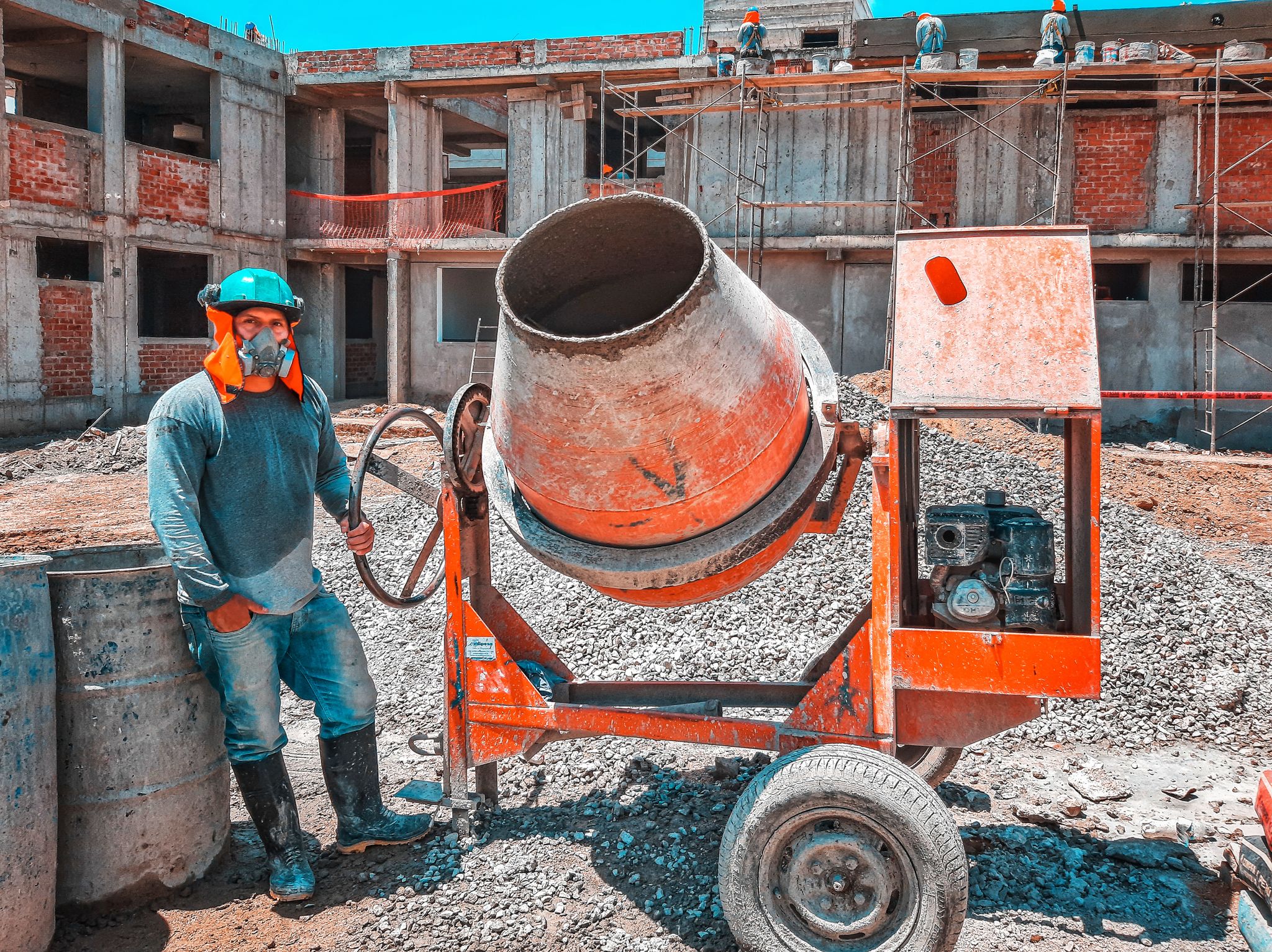
“Experts in providing Health and Safety support – MAR Legal ensures that any HSE Compliance is handled professionally and without delay.”
Why Seek Specialist HSE Compliance Advice?
Health and safety requirements can become more complex as an organisation grows, changes premises, introduces new equipment or enters a regulated industry.
Health and Safety Consultants may provide technical assistance with risk assessments, safe systems of work, training and audits.
Health and Safety Solicitors can advise on legal duties, investigations, enforcement notices, interviews and potential prosecution.
Seeking advice before an incident occurs can help a business:
- Identify compliance gaps
- Improve documentation
- Prepare for inspections
- Reduce enforcement risk
- Establish clear responsibilities
- Respond to legal changes
- Manage contractors
- Implement proportionate controls
Dedicated HSE Compliance Consultants and legal support can provide businesses with practical and legal assistance.
How MAR Legal Can Help
MAR Legal provides HSE Compliance and workplace health and safety support for UK businesses.
Support may include:
Compliance audits
Workplace Risk Assessment reviews
Policy and procedure development
Regulatory correspondence
HSE inspection preparation
Incident response
Improvement and Prohibition Notices
Contractor compliance
Ongoing compliance support
Coordination with technical specialists
Identifying when formal legal representation is required
Where reserved legal services, advocacy or specialist representation are required, MAR Legal can help coordinate support from appropriately qualified Health and Safety Solicitors.
To discuss or instruct MAR Legal:
Call +44 (0)161 491 3933
Email: info@marlegal.co.uk
Or enquire via our Contact page.