
Late payment is one of the biggest challenges facing UK businesses. Whilst a single overdue invoice may be manageable, persistent late payments can quickly affect cash flow, restrict investment, delay recruitment and create unnecessary financial pressure. For many businesses, particularly SMEs, unpaid invoices can have a direct impact on day-to-day operations and long-term growth.
Most businesses value their client relationships and are understandably reluctant to take an overly aggressive approach when payments are delayed. In many cases, there is a genuine administrative oversight or a temporary cash flow issue that can be resolved through constructive communication. However, when invoices remain unpaid despite repeated reminders, understanding the Debt Recovery process becomes increasingly important.
Effective Debt Recovery is not simply about chasing money that is owed. It is about protecting the financial health of your business, maintaining professional relationships where possible and having a structured process in place when payments do not arrive as expected.
The encouraging news is that many overdue commercial debts can be resolved without lengthy disputes. By acting promptly, keeping accurate records and following a structured Business Debt Recovery strategy, businesses can often recover outstanding invoices efficiently whilst maintaining a professional relationship with their customers.
This guide explains how Debt Recovery works in the UK, the practical steps businesses can take when payments are delayed, and when obtaining advice from experienced Debt Recovery Solicitors may help improve the prospects of recovering outstanding commercial debts.
Need a hand right now?
Contact us now for more information on how MAR Legal can help you with any Business Debt Recovery Advice, or book a consultation to find out more about how MAR legal can help with Debt Recovery Services.
What is Debt Recovery?
Debt Recovery is the process of recovering money owed by an individual or business that has failed to make payment within the agreed timescales.
For businesses, Business Debt Recovery commonly involves recovering:
- Outstanding invoices
- Contractual payments
- Professional fees
- Consultancy charges
- Service agreements
- Commercial supply invoices
- Retainer fees
Although the principle is straightforward, Commercial Debt Recovery often requires a more strategic approach than consumer debt collection.
Commercial debts frequently involve:
- Ongoing business relationships
- Complex contractual arrangements
- Multiple invoices
- Disputed services
- Contract variations
- Rights to claim statutory interest
Unlike consumer debts, businesses often wish to recover payment whilst preserving valuable commercial relationships wherever possible. A balanced and commercially focused Debt Recovery strategy can often achieve both objectives.
Many Debt Recovery Services begin with informal communication before progressing to more formal correspondence where necessary. Acting promptly is often one of the most important factors in improving the likelihood of successful recovery.
Why Businesses Should Act Quickly
One of the biggest mistakes businesses make is allowing unpaid invoices to remain outstanding for too long.
It is understandable why this happens.
Business owners are busy. They may be focused on winning new work, delivering projects or maintaining customer relationships. It is often easier to assume that payment will arrive eventually.
Unfortunately, delays can make Debt Recovery significantly more difficult.
The longer an invoice remains unpaid, the greater the risk that:
- Cash flow deteriorates
- Customers experience financial difficulties
- Business relationships become strained
- Important evidence becomes harder to locate
- Recovery becomes more complicated
Early Business Debt Recovery does not necessarily mean taking an aggressive approach. In many cases, it simply means having clear credit control procedures, maintaining regular communication and ensuring overdue accounts are addressed promptly.
Businesses that adopt structured Commercial Debt Recovery procedures often recover outstanding debts more quickly whilst reducing the likelihood of disputes escalating unnecessarily.
When Should You Start Debt Recovery?
Every business will have its own payment terms, but there are several warning signs that suggest it may be time to begin the Debt Recovery process.
These include:
- An invoice becoming overdue
- Repeated promises to pay that are not honoured
- Customers ignoring emails or telephone calls
- Requests for repeated extensions without clear reasons
- Disputes being raised only after payment becomes overdue
- Persistent late payment across multiple invoices
Where these warning signs begin to appear, businesses should avoid allowing matters to drift.
Instead, it is often sensible to:
- Review the contractual payment terms
- Confirm the invoice has been received
- Check whether there are any genuine disputes
- Keep accurate records of all communications
- Agree realistic payment dates where appropriate
Taking these steps early often improves the prospects of successful Business Debt Recovery whilst demonstrating a professional and organised approach.
The First Step: Chasing an Unpaid Invoice
The majority of overdue invoices are resolved without the need for formal escalation.
The first stage of Debt Recovery should therefore focus on constructive communication.
Reminder Emails
A polite reminder shortly after the payment due date is often enough to resolve the matter.
The reminder should include:
- Invoice number
- Amount outstanding
- Original payment date
- Payment details
- A clear request for payment
Maintaining a professional tone is important, particularly where an ongoing commercial relationship exists.
Telephone Calls
Speaking directly with the customer can often clarify the reason for the delay.
Telephone conversations may establish:
- Whether payment has been authorised
- Whether there is a genuine dispute
- Whether further documentation is required
- An expected payment date
Keeping written notes of conversations forms an important part of effective Debt Recovery.
Providing Supporting Information
Sometimes payment is delayed because the customer requires further documentation.
This may include:
- Copies of invoices
- Purchase orders
- Delivery confirmations
- Statements of account
- Contractual documentation
Providing this information promptly can often resolve unnecessary delays.
Payment Plans
Where a customer is experiencing temporary financial difficulties, agreeing a realistic repayment arrangement may be commercially beneficial.
A payment plan should always be confirmed in writing and clearly record:
- The amount outstanding
- Instalment amounts
- Payment dates
- Any consequences if payments are missed
This provides clarity for both parties and reduces the likelihood of future misunderstandings.
Charging Interest on Late Payments
Businesses may also have rights to claim:
- Statutory interest
- Contractual interest
- Fixed compensation under late payment legislation
Reviewing contractual terms carefully can help businesses understand the options available and strengthen their overall Commercial Debt Recovery strategy.
Maintaining accurate records of all communications throughout this stage is essential. Emails, payment promises and supporting documentation may all become important if the matter continues beyond informal discussions.
What is a Letter Before Action?
If reminder correspondence and discussions fail to resolve the matter, the next stage of Debt Recovery is often the preparation of a Letter Before Action.
A Letter Before Action is a formal written request for payment that clearly explains:
- The amount outstanding.
- The basis upon which payment is due.
- The invoices or contractual documents relied upon.
- A reasonable deadline for payment.
- The potential next steps if payment is not received.
For many businesses, receiving a professionally prepared Letter Before Action demonstrates that the creditor is taking the matter seriously. It often encourages constructive dialogue and creates an opportunity to resolve the dispute before further escalation becomes necessary.
In many Business Debt Recovery matters, this represents the final opportunity for both parties to reach a commercial resolution without the dispute becoming more time-consuming or costly.
Can Businesses Recover Interest on Late Payments?
One aspect of Debt Recovery that many businesses overlook is their potential entitlement to recover interest and compensation on overdue commercial invoices.
The Late Payment of Commercial Debts (Interest) Act 1998 gives many businesses the right to charge statutory interest on qualifying commercial debts, together with fixed compensation in certain circumstances.
For businesses, this can serve two important purposes:
- Encouraging prompt payment from customers.
- Compensating businesses for the financial impact of late payment.
Where contractual terms include their own interest provisions, these may also apply depending on the circumstances and the wording of the agreement.
Businesses should ensure that their terms and conditions clearly explain:
- Payment deadlines.
- Interest provisions.
- Late payment charges.
- Recovery costs where appropriate.
Well-drafted contractual documentation can significantly strengthen a business’s overall Debt Recovery position and reduce uncertainty should payment disputes arise.
Further information regarding statutory interest can be found on the UK Government website:
Businesses may also wish to review the legislation itself:
Why Good Credit Control is Part of Effective Debt Recovery
One of the most effective forms of Debt Recovery is preventing debts from becoming overdue in the first place.
Many businesses focus significant effort on winning new customers but spend comparatively little time reviewing their credit control procedures.
Simple improvements can often reduce the number of overdue invoices considerably.
Examples include:
- Carrying out credit checks on new customers.
- Agreeing payment terms before work begins.
- Issuing invoices promptly.
- Sending statements of account regularly.
- Following up overdue invoices consistently.
- Keeping accurate records of all correspondence.
- Reviewing aged debtor reports each month.
Strong credit control supports successful Business Debt Recovery by identifying potential payment issues before they become significant problems.
Businesses that adopt clear payment procedures often experience fewer disputes and recover outstanding debts more efficiently.
When Should You Speak to Debt Recovery Solicitors?
Many business owners are uncertain about when they should seek professional assistance.
In reality, obtaining advice from Debt Recovery Solicitors does not necessarily mean matters will become confrontational.
Professional advice can often help businesses understand their position, communicate more effectively with debtors and determine the most commercially sensible approach to recovering outstanding sums.
It may be appropriate to seek advice where:
- Multiple reminder requests have been ignored.
- Payment promises continue to be broken.
- Significant sums remain outstanding.
- Several invoices remain unpaid.
- There is uncertainty regarding contractual rights.
- The debtor disputes payment.
- Cash flow is beginning to suffer because of overdue invoices.
Seeking advice early often allows businesses to consider a wider range of practical options before matters become more complicated.
A structured Commercial Debt Recovery strategy can frequently improve recovery prospects whilst helping preserve valuable business relationships wherever possible.
The Benefits of Early Debt Recovery Advice
Every unpaid invoice is different.
Some debts arise because of genuine misunderstandings.
Others involve administrative errors, temporary financial difficulties or disagreements regarding the work completed.
Obtaining early advice allows businesses to understand:
- Their contractual position.
- The strength of the outstanding debt.
- The most appropriate communication strategy.
- Whether interest may be recoverable.
- The practical options available for recovering payment.
Early intervention also demonstrates to debtors that overdue accounts are being managed professionally.
In many cases, this encourages constructive engagement and increases the likelihood of reaching an acceptable resolution.
Effective Business Debt Recovery is not simply about recovering money. It is about protecting cash flow, reducing financial uncertainty and supporting the long-term success of the business.
Common Debt Recovery Mistakes
Businesses sometimes make simple mistakes that unintentionally reduce the prospects of recovering outstanding debts.
Waiting Too Long
Delaying Debt Recovery often allows payment issues to become more entrenched.
Prompt communication usually produces better outcomes than allowing overdue invoices to accumulate over several months.
Failing to Keep Records
Successful Commercial Debt Recovery relies upon clear documentation.
Businesses should retain:
- Contracts.
- Purchase orders.
- Quotations.
- Invoices.
- Statements.
- Delivery confirmations.
- Email correspondence.
- Records of telephone conversations.
Comprehensive records can make discussions with customers more straightforward and help resolve misunderstandings more quickly.
Inconsistent Credit Control
Treating overdue accounts inconsistently often leads to confusion.
Having a structured process for reminder emails, follow-up calls and payment requests helps ensure customers understand that payment terms will be enforced fairly and consistently.
Ignoring Small Debts
Small invoices can quickly become significant when several remain unpaid.
Consistent Debt Recovery procedures should apply regardless of the value of the individual invoice.
Allowing Relationships to Deteriorate
Businesses naturally want to recover what they are owed, but maintaining professionalism throughout the Debt Recovery process remains important.
Clear, polite and constructive communication often achieves better results than aggressive correspondence.
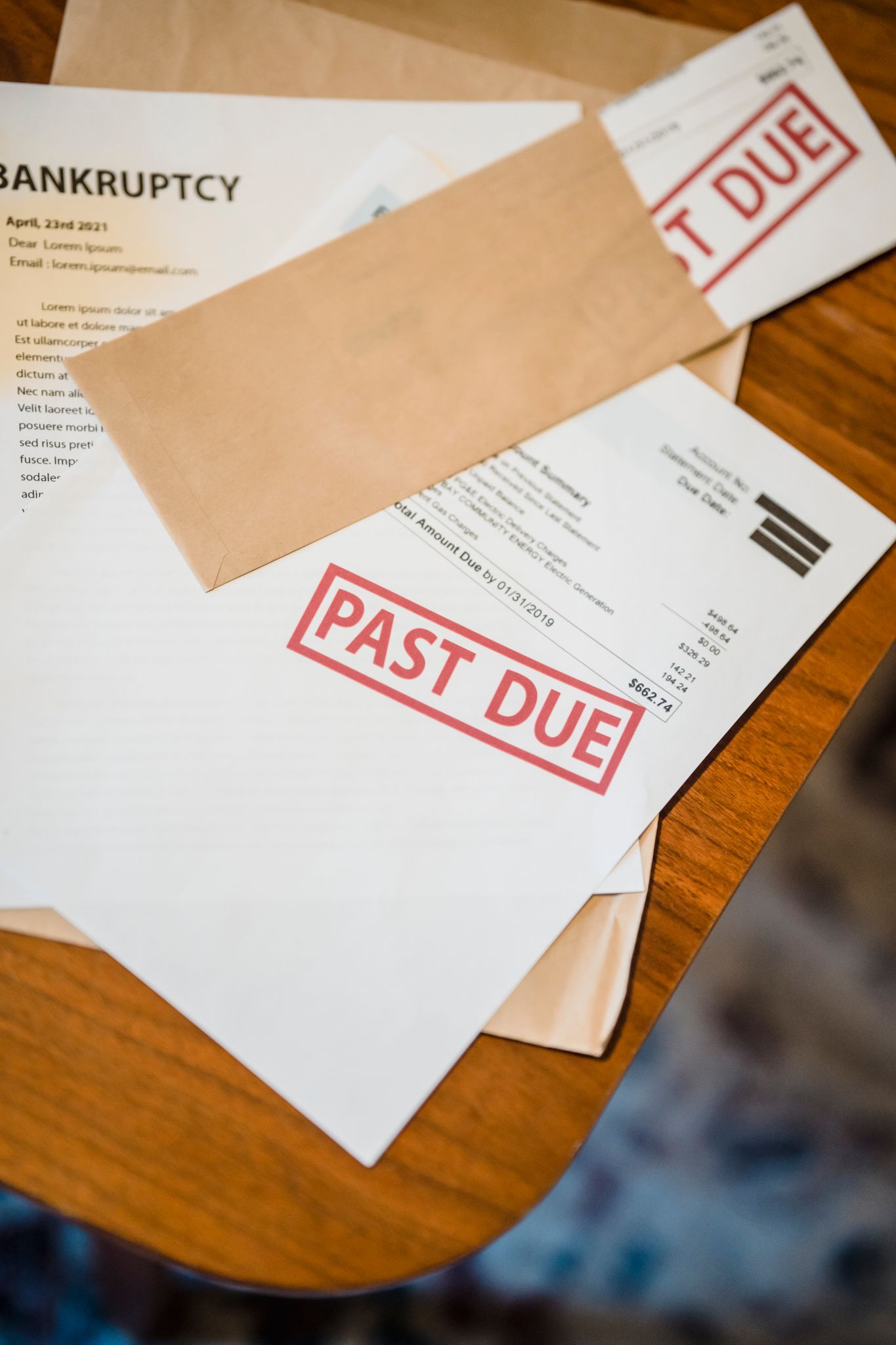
“Experts in Recovering Problem Debts for Businesses in the UK & UAE- MAR Legal ensures that Debt Recovery is handled professionally and without delay.”
How MAR Legal Can Help
At MAR Legal, we understand that unpaid invoices affect far more than a single transaction.
Late payments can disrupt cash flow, delay investment decisions and place unnecessary pressure on businesses that simply want to be paid for the work they have completed.
Our team provides practical and commercially focused advice on Debt Recovery, helping businesses understand their options and develop effective strategies for recovering outstanding commercial debts.
We can assist with:
Debt Recovery advice.
Business Debt Recovery strategies.
Commercial Debt Recovery matters.
Reviewing unpaid invoices and contractual documentation.
Preparing Letters Before Action.
Advising on statutory interest and late payment legislation.
Negotiating repayment arrangements.
Supporting commercial settlement discussions.
Providing practical guidance designed to improve the prospects of recovering outstanding debts.
Our focus is always on helping businesses recover money efficiently whilst protecting valuable commercial relationships wherever possible.
Whether you are dealing with a single overdue invoice or a number of unpaid commercial accounts, obtaining early advice can often make a significant difference to the outcome.
If your business is experiencing persistent late payment, contact MAR Legal to discuss your Debt Recovery options and discover how a proactive Business Debt Recovery strategy can help protect your cash flow and support the continued growth of your business.
To discuss or instruct MAR Legal:
Call +44 (0)161 491 3933
Email: info@marlegal.co.uk
Or enquire via our Contact page.