
Receiving a letter from the General Dental Council can be unsettling. Whether the correspondence concerns a patient complaint, professional conduct, clinical performance or registration, it is important not to panic or respond hastily.
Not every concern results in formal Fitness to Practice proceedings. However, the way a dental professional handles the initial correspondence can affect how the matter develops. Understanding the process, preserving evidence and obtaining appropriate advice at an early stage can help protect your professional position.
This guide explains the key stages of GDC investigations, what you should do after receiving a letter and how GDC solicitors or professional regulatory advisers may assist.
Need a hand right now?
Contact us now for more information on how MAR Legal can help you with any General Dental Council Advice, or book a consultation to find out more about how MAR legal can help with GDC Fitness ot Practice Services.
What Is the General Dental Council?
The General Dental Council is the statutory regulator for dentists and dental care professionals in the United Kingdom. It maintains the registers of dental professionals and sets standards relating to conduct, performance, ethics and continuing professional development.
The professionals regulated by the General Dental Council include:
- Dentists
- Dental nurses
- Dental hygienists
- Dental therapists
- Dental technicians
- Clinical dental technicians
- Orthodontic therapists
The GDC’s principal purpose is to protect patients and maintain public confidence in the dental professions. It can investigate concerns about whether a registered professional’s conduct, health or performance may affect their Fitness to Practice.
The standards expected of registered professionals are explained in the GDC Standards for the Dental Team. These standards can be relevant when the GDC considers allegations involving patient care, communication, consent, record keeping, confidentiality or professional behaviour.
Why Does the GDC Open Investigations?
GDC investigations can begin following information received from several different sources. A concern may be raised by:
- A patient or a member of the patient’s family
- A dental practice owner or employer
- Another healthcare professional
- An NHS organisation
- The police or another public authority
- A professional indemnity provider
- Another regulatory body
- The dental professional themselves
The issues considered during GDC investigations are not limited to the clinical treatment provided to patients. The General Dental Council may also investigate allegations involving dishonesty, criminal convictions, inappropriate behaviour, substance misuse, health concerns, inadequate record keeping or failures to maintain appropriate professional boundaries.
A complaint does not automatically mean that a dental professional’s Fitness to Practice is impaired. Some concerns are closed without further action because they do not meet the relevant threshold or because the evidence does not support the allegation.
Nevertheless, every letter should be treated seriously. Even an allegation that appears straightforward may have wider regulatory implications.
Understanding the Fitness to Practice Process
Fitness to Practice refers to whether a dental professional has the necessary health, skills, knowledge, character and behaviour to practice safely and effectively.
Being the subject of a Fitness to Practice investigation does not mean that the allegations have been proven. The purpose of the process is to gather evidence, assess the concern and decide whether any regulatory action is required.
The precise route taken will depend on the nature and seriousness of the allegations. In general, GDC investigations may include the following stages:
- An initial assessment of the concern.
- Notification of the dental professional.
- Gathering documents, clinical records and other evidence.
- Obtaining comments or observations from the dental professional.
- Consideration by case examiners where the matter meets the relevant threshold.
- Closure, advice, a warning, agreed undertakings or referral to a Practice Committee.
- A Fitness to Practice hearing where formal allegations require determination.
The GDC provides further information about how public protection concerns are investigated.
Because the possible outcomes can affect a dental professional’s registration and career, advice from experienced GDC solicitors should be considered before detailed representations are submitted.
What Should You Do After Receiving a GDC Letter?
The first step is to read the letter carefully and identify exactly what the General Dental Council is requesting. You should note the allegations, the response deadline and whether any immediate action is proposed.
Do not ignore the letter. Missing a deadline or failing to cooperate can make the situation more difficult and may itself raise professional concerns.
Equally, you should avoid sending an immediate, emotional or informal response. An attempt to explain everything quickly may lead to inaccurate statements, unnecessary admissions or inconsistencies that become relevant later.
After receiving the letter, you should normally:
- Record the date on which the correspondence was received.
- Note every deadline in the letter.
- Contact your indemnity provider or defence organisation.
- Consider obtaining advice from GDC lawyers or regulatory advisers.
- Preserve all documents connected with the matter.
- Avoid discussing the allegations publicly or on social media.
- Keep subsequent communications professional and factual.
- Request additional time where it is reasonably required.
The General Dental Council explains that professionals may be invited to provide comments or observations about allegations. In many cases, the professional will ordinarily have 28 days to respond, although the actual deadline in the correspondence must always be checked.
Further official guidance is available from the GDC for dental professionals facing a Fitness to Practice investigation.
Evidence You Should Preserve
Evidence can be central to the outcome of GDC investigations. Relevant material should be identified and preserved as soon as possible.
Depending on the allegations, this may include:
- Complete and unaltered clinical records
- Treatment plans and consent documentation
- Patient correspondence
- Appointment and telephone records
- Radiographs, photographs and scan results
- Relevant practice policies and procedures
- Training and continuing professional development records
- Employment and disciplinary documents
- Communications with colleagues
- Witness details
- Reflective statements and evidence of remediation
- Complaint correspondence and responses
Original records should never be amended retrospectively. If an additional note is required, it should be clearly identified, dated and prepared in accordance with applicable professional standards.
Clinical records must also be handled in accordance with confidentiality and data protection obligations. GDC solicitors can advise on how relevant evidence should be gathered, reviewed and presented without compromising the integrity of the material.
The Importance of Reflection and Remediation
Where a concern identifies a genuine shortcoming, evidence of insight and remediation may be important. The regulatory process is not concerned only with what happened in the past. It may also consider whether the issue could be repeated and whether the dental professional currently presents a risk.
Remediation might include:
- Completing relevant training or supervised practice
- Reviewing clinical procedures
- Improving record-keeping systems
- Updating knowledge in a particular treatment area
- Reflecting on communication or consent
- Introducing audits or peer review
- Demonstrating changes to practice
A reflective statement should be genuine and specific. It should demonstrate an understanding of the concern, its possible effect on patients and the steps taken to reduce the risk of repetition.
However, reflection must be approached carefully where allegations remain disputed. A poorly drafted statement may appear to accept facts that the dental professional does not accept. Advice from GDC lawyers can help ensure that reflection and remediation are addressed appropriately.
Interim Orders Explained
Some GDC investigations involve allegations considered sufficiently serious to require an immediate risk assessment before the full investigation is completed.
The matter may then be referred to an Interim Orders Committee. The committee does not determine whether the allegations are true. Its role is to decide whether an interim restriction is necessary to protect patients, the public interest or confidence in the dental profession while the case continues.
An Interim Orders Committee may:
- Take no action
- Impose conditions on the professional’s registration
- Suspend the professional’s registration temporarily
Interim orders can have significant consequences for employment and a dental professional’s ability to practice. Anyone referred to an Interim Orders Committee should obtain specialist advice promptly and prepare carefully for the hearing.
Preparing for a GDC Hearing
If case examiners refer the matter onward, a Practice Committee may hold a formal Fitness to Practice hearing.
Preparation may involve reviewing the allegations, analysing the GDC’s evidence, obtaining witness statements and identifying any expert evidence required. The dental professional may also need to prepare evidence concerning insight, remediation, health or current professional competence.
A hearing can consider whether the facts are proved, whether those facts amount to misconduct or deficient professional performance and whether the professional’s Fitness to Practice is currently impaired.
Possible outcomes can include:
- No further action
- A reprimand
- Conditions on registration
- Suspension from the register
- Erasure from the register
The appropriate outcome depends on the evidence and circumstances of the individual case. Early preparation allows the professional and their GDC solicitor to identify evidential weaknesses, obtain supporting material and develop a coherent response.
Common Mistakes During GDC Investigations
Dental professionals can unintentionally make their position more difficult by responding without understanding the regulatory implications.
Common mistakes include:
- Ignoring the initial letter
- Missing a response deadline
- Sending a rushed or emotional reply
- Providing an incomplete account
- Altering or retrospectively rewriting clinical records
- Contacting the complainant inappropriately
- Discussing the investigation on social media
- Deleting emails, messages or documents
- Assuming the matter will automatically be closed
- Preparing a generic reflective statement
- Failing to notify an indemnity provider
- Waiting until a hearing is listed before seeking advice
A calm, organised and evidence-based response is generally more effective than an immediate attempt to dispute every point. GDC solicitors can help distinguish between allegations that require a detailed answer and issues that require additional evidence or clarification.
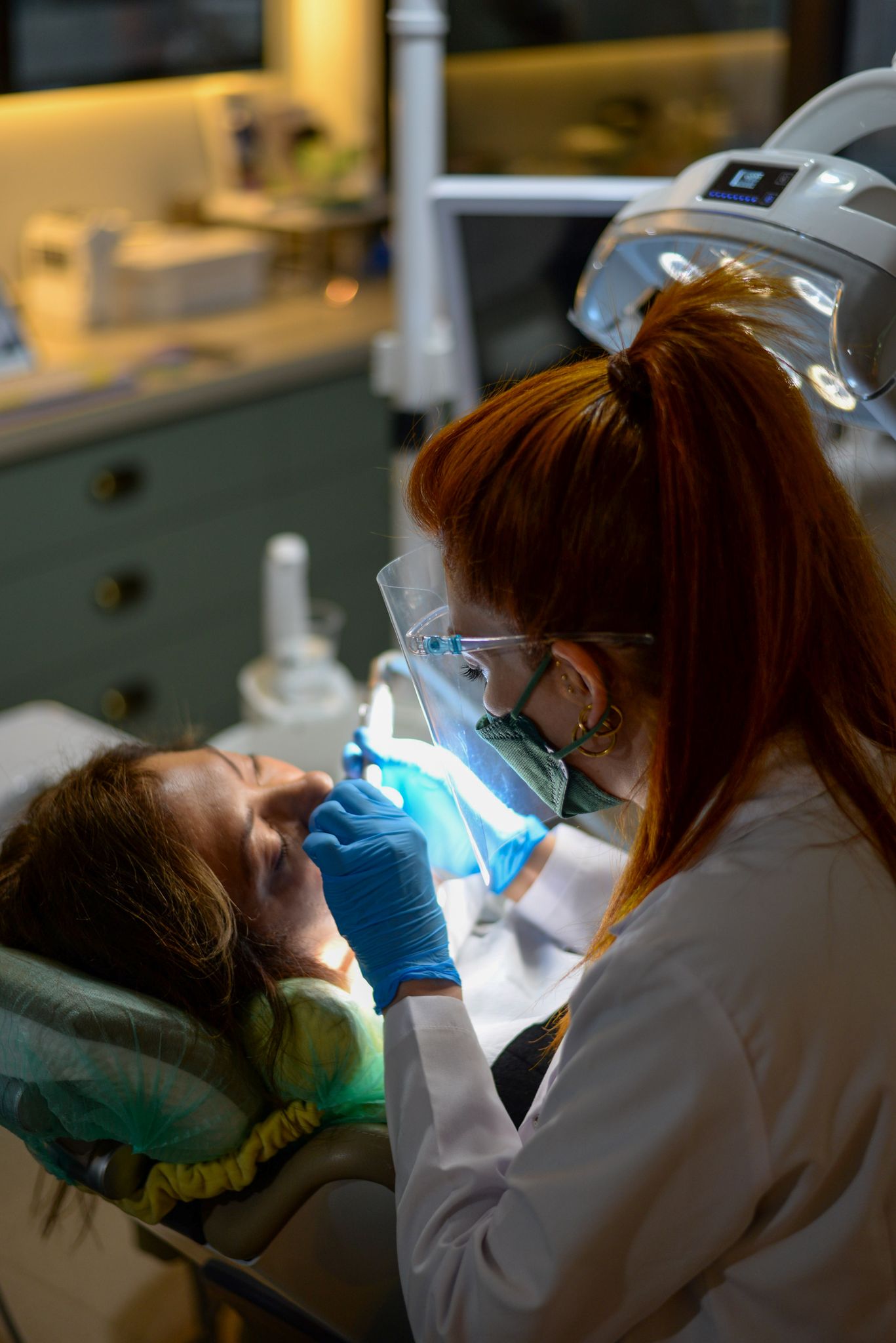
“Experts in providing support for GDC Fitness to Practice issues– MAR Legal ensures that any GDC Investigations are handled professionally and without delay.”
Why Early Legal and Regulatory Advice Matters
Early advice can influence how a dental professional approaches the entire investigation. It allows the allegations and supporting evidence to be reviewed before a formal response is submitted.
GDC lawyers or regulatory advisers may assist with:
- Interpreting the GDC’s correspondence
- Identifying the applicable professional standards
- Advising on immediate risks
- Preserving and organising evidence
- Preparing written observations
- Addressing reflection and remediation
- Responding to requests for further information
- Preparing for an interim order or substantive hearing
- Coordinating specialist representation where required
No adviser can guarantee the outcome of a GDC investigation. However, careful preparation can reduce avoidable errors and ensure that the professional’s position is presented accurately and fairly.
How MAR Legal Can Help
MAR Legal provides GDC advisory support for dental professionals dealing with correspondence, complaints, registration questions and professional regulatory concerns.
Support can include reviewing the initial letter, identifying response deadlines, organising documents, considering relevant evidence and helping the dental professional understand the possible next stages.
MAR Legal also provides dedicated GDC Fitness to Practice support for professionals dealing with investigations and related regulatory concerns.
Where formal advocacy, reserved legal work or specialist representation is required, MAR Legal can help identify the need for additional support and coordinate with appropriately qualified GDC solicitors or professional regulatory lawyers.
To discuss or instruct MAR Legal:
Call +44 (0)161 491 3933
Email: info@marlegal.co.uk
Or enquire via our Contact page.